Table of Contents
"Additionally, there's no certain order for the stages of despair. Our first psychological reaction to loss may be temper and anxiety.
And our emotions can can be found in waves of strength. In the beginning, our emotions can be frustrating. Gradually, the intensity is most likely to decrease although there may be minutes when it's equally as fresh and overpowering as it went to first. Many individuals get irritated with themselves since they assume they're grieving as well long.
It depends on the individual, and it relies on the loss. Try not to set any kind of target dates for on your own. And maintain in mind that there's never ever a time when we're totally "done" with pain; we simply learn just how to make modifications to the loss. The mourning process can be exceptionally challenging, but we do not need to go through it alone.
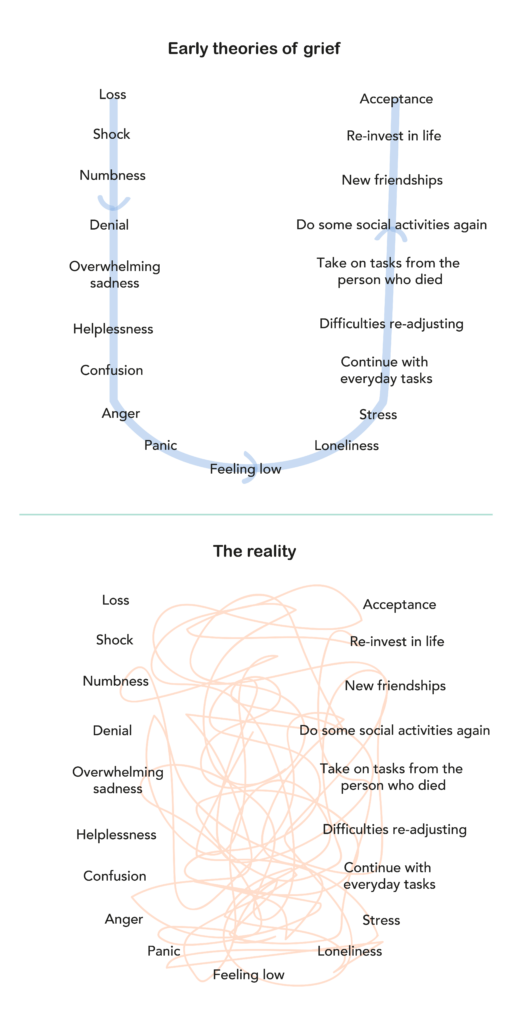
Pain is a difficult process that differs from person to person. The 5 stages of despair rejection, rage, negotiating, depression, and acceptance are a handy structure for believing concerning pain, however it does not indicate we'll experience every phase. In a similar way, we can experience these aspects of pain at different times, and they do not take place in one particular order.
Breaking Free from Self-Doubt Through Therapy in San Francisco
You just went via a separation. You shed your work. You're incapable to acquire the goal you've been working towards. Believe it or otherwise, all of these are some form of sorrow or the experience of managing loss. As we work our means via experiences like these, we're likely to experience different phases or feelings from rejection and temper to sadness and animosity.
Before we dive into the five phases of grief, it's handy to recognize what despair is. Just placed, sorrow is the experience of dealing with loss.
Despair can also originate from any type of adjustments we experience in life, such as relocating to a brand-new city or institution or transitioning right into a new age group. The fact is that all of us experience a certain level of grief throughout our lives. While some losses are much more extreme than others, they are no much less genuine.
Transforming Success-Related Stress to Inner Peace

Numerous researchers have actually committed years to studying loss and the feelings that accompany it. One of these specialists was Elisabeth Kubler-Ross, a Swiss-American psychoanalyst. She interviewed over 200 individuals with terminal diseases and determined five common stages people experience as they grapple with the truths of their impending fatality: denial, anger, negotiating, anxiety, and acceptance.
Kubler-Ross's job concentrated on sorrow actions from individuals that are passing away, many of these stages can be applied to grief throughout any kind of kind of loss. It's crucial to note that these phases are not linear, and they're not a prescription. Not everybody experiences every stage, which's okay. We could seem like we approve the loss at times and after that relocate to another stage of grief again.
Compassion Fatigue in Helping Professions
Just how much time we spend browsing these stages differs from person to individual. It may take us hours, months, or longer to refine and recover from a loss. Keeping that in mind, allow's take a better check out each of the 5 stages of sorrow: For numerous people, rejection or claiming the loss or change isn't occurring is typically the very first action to loss.
At some point, when we're grieving, we can start the healing process by allowing the feelings and feelings we have actually rejected to resurface. Lots of people will likewise experience temper as part of their sorrow. According to Kubler-Ross, discomfort from a loss is often rerouted and revealed as rage. To put it simply, temper is a means to conceal the many feelings and pain that we're carrying as a result of the loss or modification.
Although our rational mind understands they're not responsible, our feelings are intense and can quickly bypass sensible reasoning. We also might lash out at inanimate objects, strangers, pals, or relative. We could feel mad at life itself. While we commonly think that anger is an adverse feeling and something to be stayed clear of in all prices, it actually serves a purpose and is a required component of healing.
Negotiating is a stage of sorrow that helps us keep hope during extreme psychological discomfort. It's an effort to help us reclaim control of a situation that has actually made us feel exceptionally at risk and powerless. It's likewise one more method to aid us hold off needing to deal straight with the sadness, confusion, or hurt.
The Recovery Experience for Accomplished Healthcare Workers in Narrative Therapy
Clinical depression is often compared to the "peaceful" phase of grief, as it's not as energetic as the temper and negotiating stages. Signs and symptoms of clinical depression can manifest themselves in different methods.
In severe situations, we could be incapable or reluctant to rise in the early morning. Similar to the other stages of pain, anxiety is experienced in various ways. It's not a sign that something is wrong with us. Instead, it's a natural and appropriate action to sorrow.
Instead, For instance, if we're grieving the death of a loved one, we could be able to express our gratitude for all the fantastic times we invested with them. Or if we're undergoing a breakup, we may claim something like, "This actually was the most effective point for me." In this phase, we may become a lot more comfy getting to out to friends and family, and we could even make brand-new connections as time goes on.
Right here are 3 usual misconceptions about regreting that we could think when we consider our very own or another person's method of grieving: One of one of the most common false impressions about regreting is that everyone goes through it similarly. But as we've established, regreting is a special trip that is various for everyone.
What EMDR Treatment Provides for PTSD & Trauma Professionals in San Francisco
If you ever locate on your own believing, "I'm doing it incorrect," try reminding yourself that "there's no right or incorrect means of grieving."In addition, there's no particular order for the stages of pain. Our initial emotional response to loss may be temper and clinical depression. This does not indicate that we're not grieving effectively.
And our emotions can come in waves of strength. Many individuals get annoyed with themselves since they assume they're grieving too long.

Navigation
Latest Posts
Focused Care
Convenience of Online Counseling Care in Mindfulness Therapy
Traditional vs Telehealth Treatment in Falls Church, VA: Deciding What Works