Table of Contents
If you're regreting, remember this: your grief mirrors the deepness of your link. It's not something to "obtain over" but rather to move through, bring your love and memories forward into a life that, while forever altered, can still hold significance and delight.
Despair is a natural emotional reaction to loss. Grieving is a procedure that can aid you come to terms with a loss, such as when a loved one dies. Every person experiences despair in different ways. Your experience of sorrow and just how you deal with it will depend upon various variables. These might include your age, previous experiences with grief and your spiritual or religious views.
Anticipatory grief indicates sensation sad prior to the loss happens. Rather than grieving for the individual, that is still with you, you may feel despair for things you will not obtain to do with each other in the future. When dealing with a substantial loss, such as the fatality of an enjoyed one, it is natural to really feel lots of solid emotions.
People detected with an incurable ailment and those dealing with the fatality of an enjoyed one may experience awaiting sorrow., you may experience lots of emotions including shock, fear and unhappiness.
The Role of Ancestral Wounds on Professional Life
You grieve shed chances or experiences you'll miss even small ones, such as the satisfaction of the sunshine or a warm cup of coffee. If someone you enjoy is dealing with an incurable disease, it prevails to experience anticipatory sorrow in the months, weeks and days prior to fatality. You could regret the exact same things your enjoyed one is grieving, or various losses completely.
You may really feel awaiting despair If your liked one is puzzled or unconscious for a very long time (e.g. with ecstasy or dementia). You might feel that the person you knew is already gone, even if they are still literally there. If your loved one has a decline in physical health or flexibility, you may feel anticipatory despair as you lose the opportunity to share experiences, such as leisure activities, vacations or events.

This is particularly real if you spend a great deal of time caring for the individual. You may miss activities you utilized to appreciate with each other and feel grief regarding the change in your partnership. The nature of your partnership may change as you tackle a carer's duty, or come to be the one being looked after.
Sensations of grief before death are normal it's essential to recognise them, and to talk about them. Experiencing anticipatory pain does not necessarily suggest that you will certainly regret your loved one any kind of less after they are gone.

Check out the CareSearch website for web links to palliative treatment and end-of-life information in a variety of neighborhood languages. Call Carer Gateway on 1800 422 737 for resources to sustain for Aboriginal and/or Torres Strait Islander carers and areas. CareSearch gives info on understanding grief, end of life and palliative treatment demands of the LGBTIQA+ neighborhood. Individuals discuss the 5 phases of pain as: rejection temper bargaining depression acceptance. Actually, we do not experience feelings of sorrow individually or in a certain order. We understand that there are no set phases that every person experiences. You may experience these points due to the fact that they are all typical sensations of despair.
It's normal to really feel other points as well, such as shock, anxiousness, exhaustion, or guilt. Some people feel numb after the fatality of a person they cared around. They might even attempt to bring on as though nothing has actually taken place. If you experience this, maybe since it's just also tough to believe that the individual you know so well is not coming back.
The Impact of Narrative Therapy in Depression Healing
Maybe they assure themselves that they will currently always do (or otherwise do) something, believing that it can make the individual who has actually died come back. Or perhaps they think it will certainly stop any individual else passing away or other negative points happening. This is sometimes called 'enchanting reasoning'. People may also locate that they keep going back over the past and ask great deals of 'what if' questions, desiring that they can return and alter things to make sure that they might have transformed out in a different way.
These feelings can be really intense and painful, and they might come and go over lots of months or years. Yet many people locate that unpleasant feelings like this become less strong gradually. If you do not feel this is the situation for you, after that you should request for aid.
Her design came to be extensively accepted as a way to recognize sorrow, but in time, pain counsellors and scientists expanded upon it, bring about the growth of the. This prolonged model includes added psychological feedbacks that people might experience: The initial response to loss typically brings shock and shock. This stage functions as a safety mechanism, enabling us to soak up the truth of our loss in manageable doses.
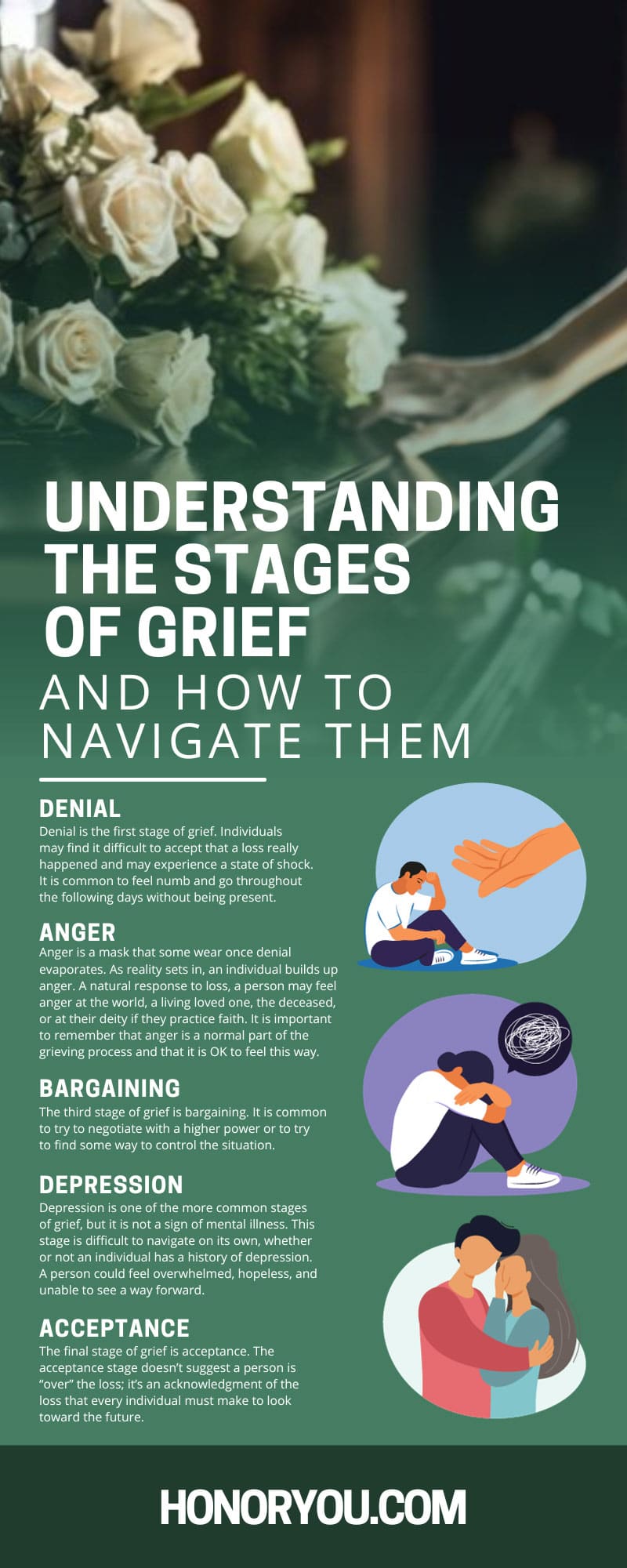
Feelings of regret or shame may arisewondering if you could have done something in a different way, or sensation sadness over things left unexpressed. Despair can materialize as angertoward on your own, others, or even the individual that has passed.

Navigation
Latest Posts
Therapeutic Training in Psychodynamic Practice for Practitioners
CBT in treating OCD in Roseville, CA
Medication-Assisted Treatment in EMDR Intensives for Eating Disorders