Table of Contents
Clients could not also be conscious that their existing symptoms are connected to previous stressful experiences. As a specialist, recognizing these refined indications allows you to offer appropriate assistance and overview your customers in the direction of recovery. Unsettled trauma can greatly impact a client's progression in treatment, producing obstacles that impede development and recovery.
CBT help customers in changing trauma-related thoughts and beliefs that add to their distress. With cognitive restructuring, customers learn to identify and test purposeless thoughts, replacing them with even more well balanced and sensible perspectives. Mindfulness and body understanding techniques help customers address physical injury responses by boosting their capacity to manage their nervous system.
Specific treatments like eye movement desensitization and reprocessing (EMDR) and trauma-focused cognitive behavior modification (TF-CBT) directly address injury memories and their associated feelings. These strategies assist clients refine stressful experiences in a safe and regulated manner, lowering the strength of their trauma responses over time. When dealing with customers who have actually experienced trauma, it is essential to rate the therapeutic procedure according to their specific needs and readiness.

Creating a safe, predictable, and encouraging setting is important for customers to really feel comfy exploring their injury and creating brand-new coping approaches. This involves developing clear borders, keeping uniformity in sessions, and offering a non-judgmental room where clients feel heard and validated. The therapist plays a crucial duty in developing security and count on, which are essential for recovery trauma.
Trauma Treatment That Honors Neurodivergent Perspectives
Trauma survivors often have a hard time with feelings of pity, shame, or self-blame related to their injury. Specialists can help reduce these sensations by: Acknowledging that injury actions are typical responses to unusual occasions.
Over time, this exposure can deeply affect a specialist's worldview, spirituality, and feeling of self. This includes: Normal exercise, meditation, leisure activities, and relaxation strategies can assist handle stress and anxiety levels. Peer support teams, supervision, and individual therapy sessions give possibilities to refine emotional influences and maintain health.
Viewing Years of Challenges as Brain-Based Variation
Devoting time to individual connections, interests, and self-care activities beyond work is very important for general health. Specialists need to likewise remain knowledgeable about their very own psychological actions and how vicarious injury may affect their practice. This indicates acknowledging typical signs and symptoms such as sadness, rage, irritation, trouble focusing, unfavorable ideas, social withdrawal, fatigue, and physical grievances.
Providing culturally responsive solutions that resolve historical injury and relocate beyond stereotypes. Therapists can make use of different techniques to aid clients manage their injury actions, such as basing exercises, cognitive behavior modification, somatic strategies, and trauma-focused therapies like EMDR and TF-CBT. Pacing the therapeutic process according to the customer's readiness and preserving a predictable, encouraging setting are necessary for protecting against re-traumatization and promoting a sense of control.
You may experience: Chronic frustrations or migrainesMuscle stress, particularly in the neck and shouldersDigestive problems (like IBS or nausea)Unusual persistent discomfort or fatigueIf doctors have actually told you your signs are "just stress," but absolutely nothing appears to aid, your body could be holding onto injury in ways you really did not understand. If any of this reverberates, therapy can assist you recognize, process, and recover.
As specialists, we commonly listen to the question "Just what is an injury feedback?" from our clients. It's a great inquiry, and one worth checking out deeply. While much of us use the words "injury" and "stress" as if they indicate the exact same point in day-to-day conversation, there's really a lot more to understand concerning how trauma distinctly influences our mental health.
Why Trauma Lives in the Soma
Believe of trauma reactions as your mind and body's way of protecting you when something occurs that feels as well big to handle. When we experience something frustrating or deeply traumatic, our mind kicks right into survival setting.
Trauma feedbacks can appear in everyday situations or during therapy sessions. Clients may end up being conveniently set off, closed down psychologically, or respond strongly to certain subjects.
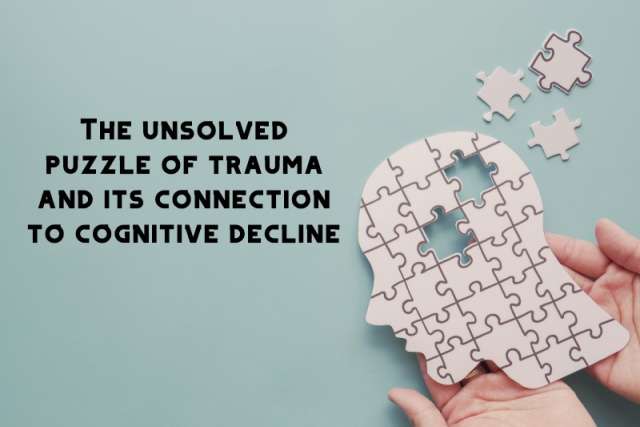
Clients might not also realize that their present symptoms are linked to previous terrible experiences. As a therapist, acknowledging these subtle indicators allows you to give appropriate support and overview your customers towards healing. Unresolved trauma can significantly impact a customer's progress in treatment, creating obstacles that hinder growth and healing.
CBT aids clients in changing trauma-related ideas and ideas that add to their distress. Through cognitive restructuring, clients discover to identify and challenge purposeless thoughts, changing them with even more well balanced and reasonable point of views. Mindfulness and body recognition practices assist clients deal with physical injury feedbacks by boosting their capacity to manage their nerves.
Autonomic Theory to Stress Response Regulation
Details treatments like eye movement desensitization and reprocessing (EMDR) and trauma-focused cognitive behavioral therapy (TF-CBT) directly address injury memories and their connected emotions. These methods aid customers process distressing experiences in a risk-free and controlled fashion, decreasing the intensity of their injury responses with time. When dealing with customers that have actually experienced injury, it's vital to rate the healing process according to their private requirements and readiness.
Producing a secure, foreseeable, and supportive atmosphere is necessary for customers to really feel comfy exploring their injury and developing brand-new coping approaches. This includes establishing clear limits, preserving consistency in sessions, and providing a non-judgmental space where clients really feel listened to and verified. The specialist plays a vital role in creating safety and trust fund, which are vital for healing injury.

Table of Contents
Latest Posts
Integrated Injury Therapy: A Comprehensive Approach to Healing at Every Heart Dreams Therapy
Couples Therapy for Expecting Couples in Napa, CA
Comprehensive Mental Healthcare: A Deep Study Modern Therapy Solutions
Navigation
Latest Posts
Integrated Injury Therapy: A Comprehensive Approach to Healing at Every Heart Dreams Therapy
Couples Therapy for Expecting Couples in Napa, CA
Comprehensive Mental Healthcare: A Deep Study Modern Therapy Solutions